
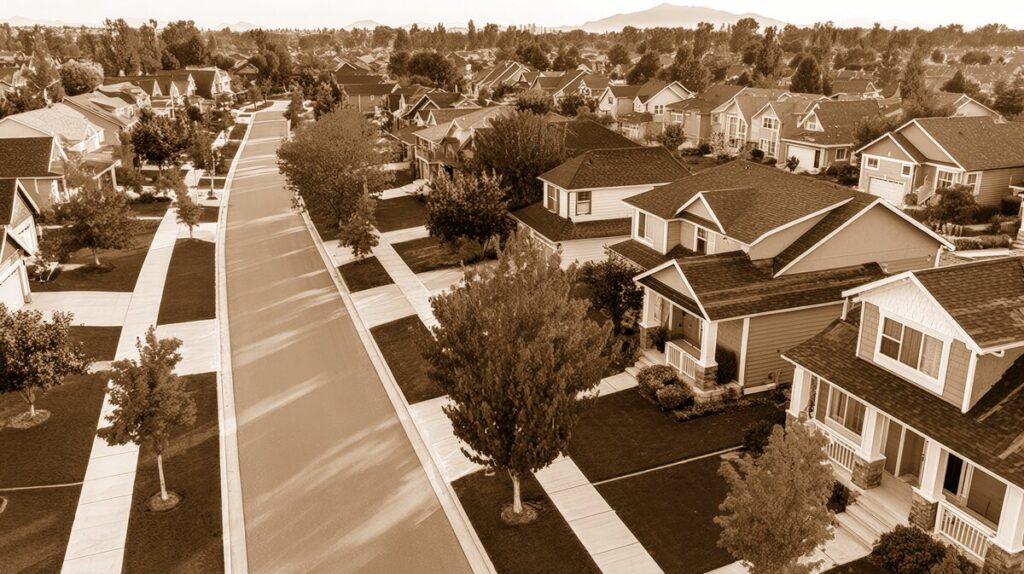
Nestled against the backdrop of the striking Red Mountain, the Red Mountain Ranch neighborhood in Mesa, Arizona, is a place where desert beauty meets a vibrant sense of community history. While now known for its tranquil streets, lush golf greens, and family-friendly parks, the story of Red Mountain Ranch is one of transformation — from rugged Sonoran wilderness to one of Mesa’s most cherished residential enclaves.
The Origins: From Desert to Dwellings
Long before Red Mountain Ranch became a sought-after address, this area was defined by its natural landscape: dramatic views of Red Mountain’s rust-hued slopes, rich wildlife, and lush desert vegetation dotted the terrain. Originally, this was land utilized by the early Native American communities — most notably the Hohokam, who left a legacy of canals and artifacts throughout the Valley. The area’s proximity to the Salt River allowed early inhabitants to thrive.
It wasn’t until the 1980s, however, that talk of transforming this stretch of northeast Mesa into a master-planned community began in earnest. Mesa’s population was booming, and there was a clear vision: create a neighborhood that blends elevated desert living with convenient city access.
How Red Mountain Ranch Got Its Name
Red Mountain Ranch owes its evocative name to the neighborhood’s most dramatic natural landmark — Red Mountain. This geological formation, formed by centuries of volcanic activity and erosion, stands sentinel just northeast of the community. Its vibrant red and orange shades, particularly dazzling at sunrise and sunset, are nothing short of iconic for East Valley residents.
The “Ranch” part of the name honors the land’s agricultural roots before suburban development. Fields, ranches, and wide-open desert stretches marked this area’s landscape through much of the 20th century, so it was only fitting this spirit remained in the name.
Key Milestones in Neighborhood Development
The late 1980s marked a major turning point. Development plans crystalized, and Red Mountain Ranch officially broke ground. Key timeline highlights include:
- 1988-1992: Construction begins on single-family homes and infrastructure. Tree-lined streets, curving boulevards like Red Mountain Ranch Road, and community parks start to take shape.
- 1989: The heart of the community, the Red Mountain Ranch Country Club, opens its doors. Designed by acclaimed architect Pete Dye, the golf course quickly becomes a centerpiece for both residents and visitors.
- 1990s: New amenities follow—recreation centers, tennis courts, and clubs—helping foster a tight-knit, active community.
- 2000s: The neighborhood grows alongside Mesa, with new phases of homes and local businesses adding to the friendly, small-town character.
- 2010s-present: Red Mountain Ranch continues to evolve, balancing modern development with the preservation of its desert charm and historical roots.
Notable Landmarks and Institutions
Red Mountain Ranch offers more than beautiful homes—it is home to several landmarks and beloved institutions:
- Red Mountain Ranch Country Club: A hub for golf, tennis, and social gatherings. The clubhouse boasts panoramic mountain views, making it a popular event space for weddings and celebrations.
- Red Mountain Park: Located nearby on Brown Road, this expansive park is popular for family picnics, dog walkers, and sports teams. Its trails connect residents with the desert landscape and mountain vistas.
- Falcon Field: Just to the south of the neighborhood, this historic WWII-era airfield is now a busy municipal airport. It’s a living legacy of Mesa’s aviation history.
- Red Mountain Ranch Elementary School: Found on North Sterling Street, this school serves as both an educational hub and a gathering place for community events.
- Red Mountain Ranch HOA Clubhouse: The neighborhood’s heart, supporting everything from yoga classes to community barbecues.
Streets like East Redmont Drive and North 80th Street are now lined with mature palo verde and mesquite trees, and neighborhood staples such as the golf club’s restaurant and local shops give the community a personable, lived-in charm.
Red Mountain Ranch Through the Decades
As you walk or drive down the quiet, well-maintained streets of Red Mountain Ranch today, it’s easy to see the neighborhood’s pride in its history. The transition from wild desert to community oasis has always honored the landscape’s singular beauty.
- Architecture: Early homes feature Southwest-inspired designs—stucco exteriors, tile roofs, and backyard patios perfectly oriented for mountain views.
- Community Spirit: Annual events like the Red Mountain Ranch Holiday Parade and springtime neighborhood garage sales keep the community close-knit and spirited.
- Wildlife and Nature: Despite growth, coyotes, quail, and hummingbirds remain regular visitors. Mature landscaping and strict preservation practices ensure nature never feels too far away.
- Parks and Open Space: The miles of sidewalks and bike paths allow easy access to neighboring Usery Mountain Regional Park, bringing nature into everyday life.
What Makes Red Mountain Ranch Special
Ask any longtime resident, and they’ll say Red Mountain Ranch is more than its homes or amenities; it’s a feeling. It’s catching breathtaking views of Red Mountain at dusk, neighbors waving on daily walks, and generations gathering in local parks. The preservation of its name, landmarks, and community involvement is a living tribute to its roots—a neighborhood that never forgets the stories written in its soil.
Red Mountain Ranch is a testament to what thoughtful planning, respect for heritage, and community vision can build. Whether you’re here for the scenery, the sense of belonging, or the vibrant lifestyle, Red Mountain Ranch remains a Mesa jewel—rich in history and alive with possibility.